Safaris in the African Wild

Ngorongoro Crater

HIGHLIGHT
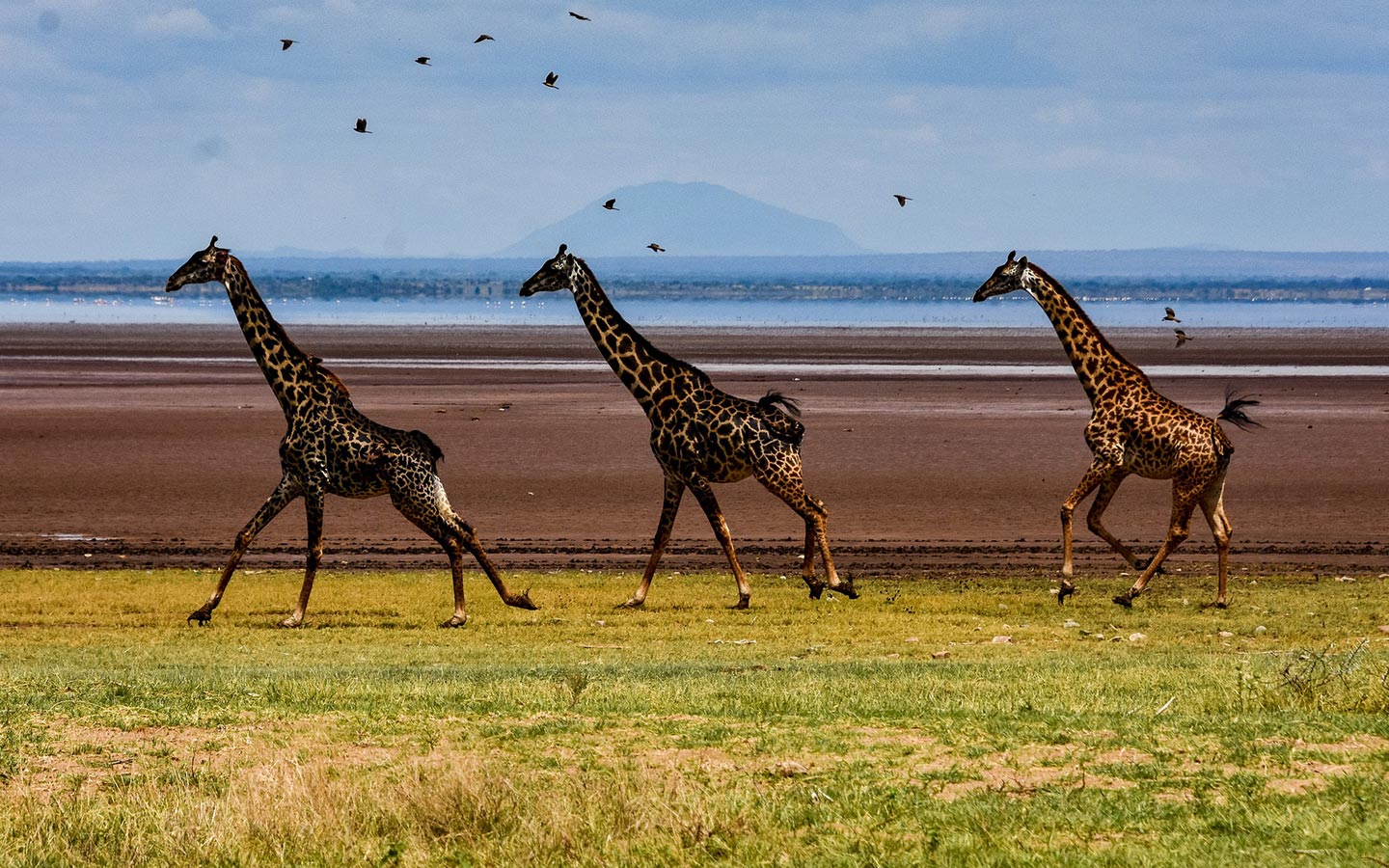
Breathtaking wilderness, flamingos, zebras, giraffes.

Ngorongoro, Tanzania

Exploring the Eden of Africa

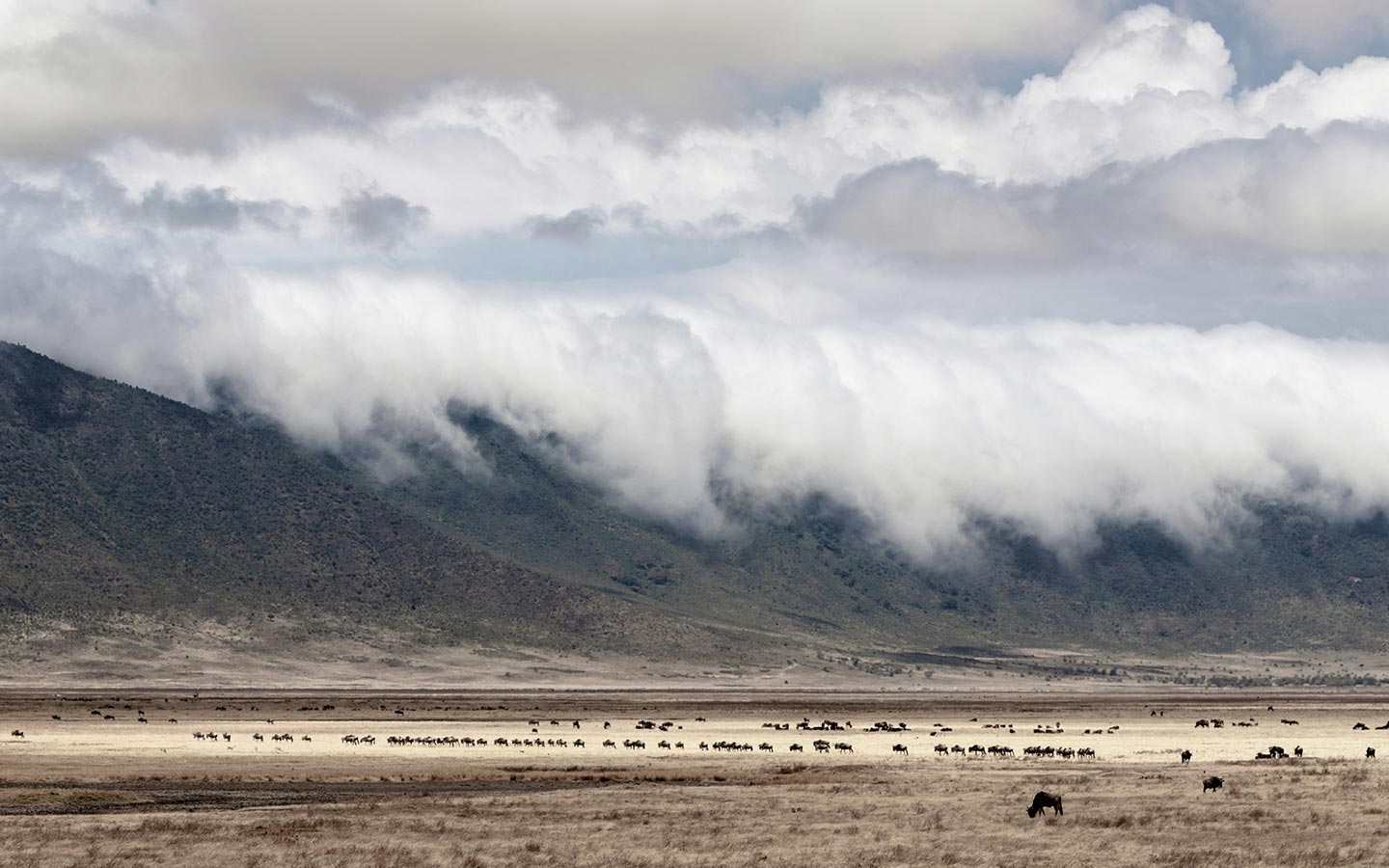
Often hailed as the "Eighth Wonder of the World," the Ngorongoro Conservation Area a is a breathtaking microcosm of the African wilderness. Its crowning glory is the world’s largest intact, unfilled volcanic caldera—a self-contained bowl where massive populations of wildlife graze, hunt, and thrive against a sheer, 600-meter wall backdrop.
Unlike a traditional national park, Ngorongoro is a pioneer in multi-use conservation, allowing the semi-nomadic Maasai tribe to graze their livestock sustainably alongside free-roaming apex predators.

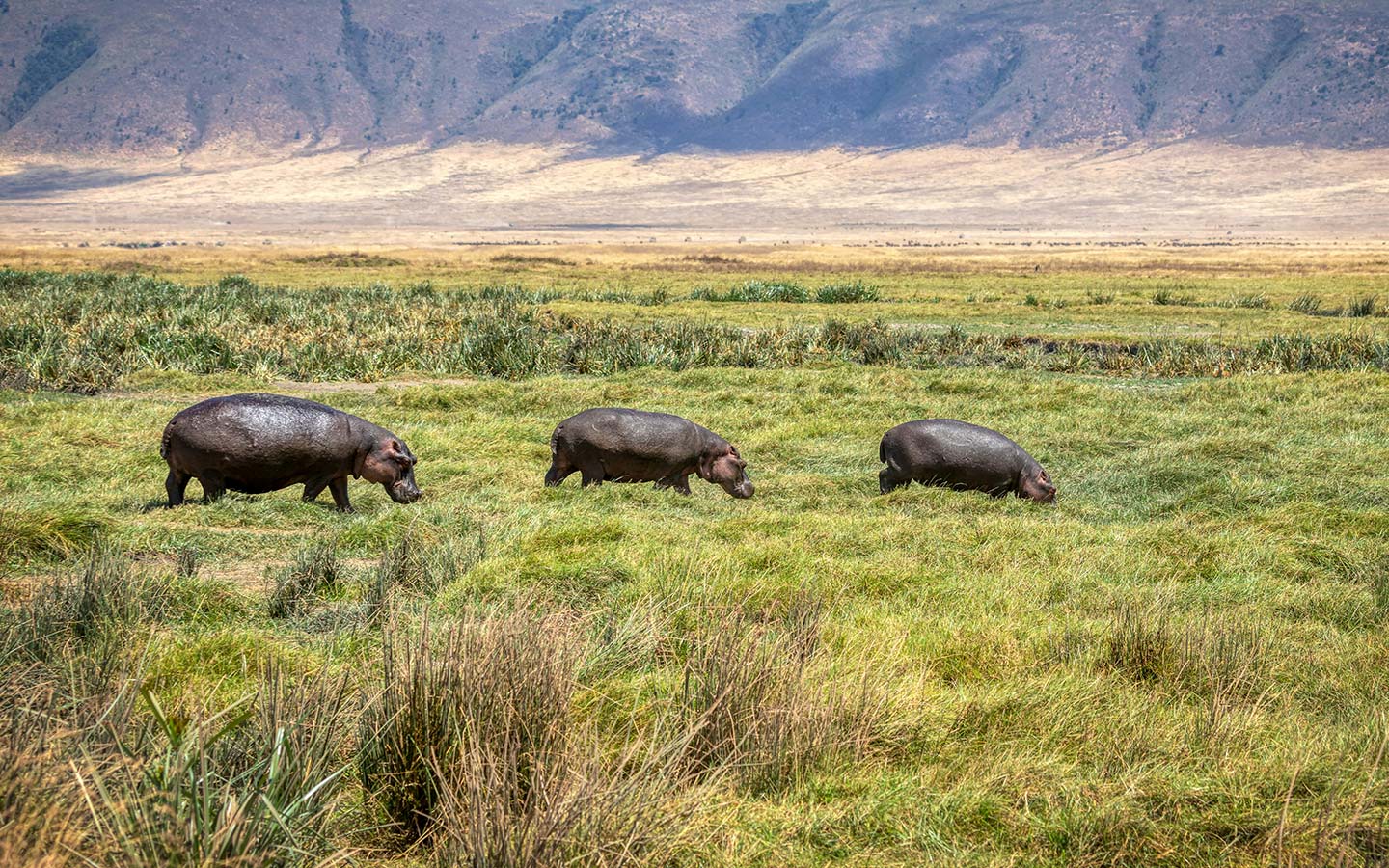
Ngorongoro Crater Floor: A single day’s game drive across the savanna, marshes, and acacia woodlands on the floor gives you a remarkably high chance of spotting the entire Big Five, including some of Tanzania’s last remaining wild black rhinos.

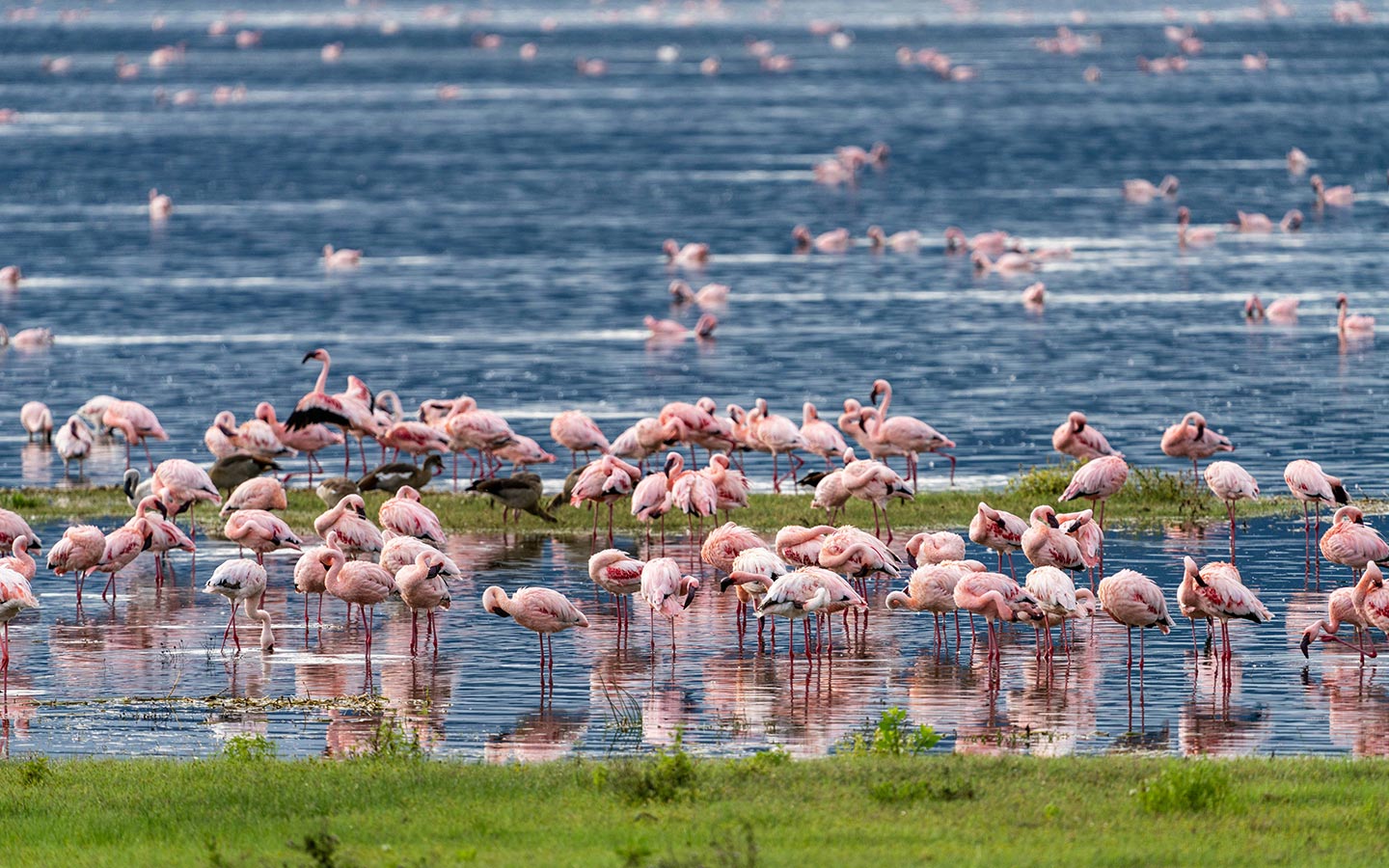
Lake Magadi and Lerai Forest: Within the crater itself, the shallow, alkaline waters of Lake Magadi are frequently rimmed by shimmering pink ribbons of foraging flamingos. Nearby, the Lerai Fever Tree Forest – characterized by its airy canopy of slim, yellow-barked acacias – is a favourite haunt for majestic bull elephants, leopards, and baboons seeking midday shade. 

What's the weather like?

When to visit Ngorongoro

Best time to Visit: The Dry Season, June to October, is the optimum window for classic big game viewing. Vegetation thins out completely and animals gather predictably around the primary watering holes and swamps.

Dry Season
June to October
Wet Season
April to May & November
High Season
July to October

Share

Ngorongoro Crater